

- Shiva Presiding Deity in Civilization of Bharat (Part II Contd from Part 1 Dec 24 of KOSHUR Samachar Edition)

Shiva Presiding Deity in Civilization of Bharat (Part II Contd from Part 1 Dec 24 of KOSHUR Samachar Edition)
Shiva with Unique Symbolism and Attributes in the Universe hiva, is adorned with a myriad of symbols S and attributes, each laden with profound cosmic significance, as The God of destruction and transformation, being the most popular of Bharat Sub-continent, South and South East Asia and revered as Deity of Deities responsible for life of cycles of human of the beginning and the end, as given hereunder, Eye of Wisdom, Shiva's Forehead Centre, The Third Eye pierces through the weil of illusion (Maya), symbolizing inner perception and intuitive knowledge, the third eye represents Shiva's ability to see beyond the apparent duality of the material world. It is a potent reminder of the importance of spiritual insight in transcending the limitations of the physical realm. Dishevelled Hair, Shiva's Crescent Moon, is both a symbol of his ascetic lifestyle and a reservoir of divine energy. The flowing Ganges River, often depicted flowing from his hair, signifies purity. life, and spiritual purification. This dual symbolism underscores Shizu's role as a source of both transcendent wisdom and life-giving force Crescent Moon, Shiva's Head Adorned with Crescent Moon, symbolizes the cyclical nature of time and the passage of lunar months. It also represents the calming influence of Shiva over the mind, reminding devotees to find serenity amid life's tumultuous cycles. Additionally, the Crescent Moon is associated with Shiva's benevolence, as he wears it as a result of rescuing the moon from the serpent Vasuki during the churning of the ocean (Samudra Manthan). Serpent, Shiva's Neck Coiled with Serpent, serves as a powerful symbol of control over death and 46 surtality. It also represents the kundalim energy. a potent spiritual force that, when awakened, leads to enlightenment. The Snake's presence signifies, Trident, Trimurti, Shiva's Mastery over the Primal Forces of Creation and Destruction, wielding a Trident, Shiva's iconic weapon, symbolizes his dominion over the three fundamental aspects of existence: Creation (Brahma), Preservation (Vishnu) and Destruction (Shiva). The Trident embodies the eternal cycles of Life, Death and Rebirth, emphasizing Shiva's role as the cosmic balancer and the agent of transformative change Damaru, Shiva's Small Drum played by Himself, symbolizes the primal sound of creation (Nada). Its rhythmic beat is believed to generate cosmic vibrations, shaping the fabric of reality: The Damaru signifies the continuous dance of creation and destruction, illustrating the interconnectedness of all existence. Ash, Shiva's Body is Smeared with Ash, signifying the transient nature of material life. The ashes also represent the cremation ground, symbolizing the destruction of the ego and the impermanence of worldly attachments. Devotees apply ash to emulate Shiva's renunciation and commitment to spiritual growth. Rudraksha Mala, Symbol of Meditation and reminder of Devotion to the Almighty God. Tiger Skin, Represents the Cosmos-Samsara and to Vanquish the wild world by overcoming it. Nandi, The Bull, the Symbol of Dharma, when you are Righteous cous and Truthful, the infinite innocent consciousness is with you. Lingam The Phallic Statue, the raw power of Shiva and Masculinity, the seed of Universe demonstrating Shiva's Quality of Creation. Shiva Power of Foundation Hinda Worship Shuva is worshiped in vansoos koers and avatary As Nataraja. The Lord of the Dancer, Shiva pestorms the cosmic dance (Tandava) wimbolining the eternal cycles of creation and destructions As Dakshinamurthy, Shiva Facing South Cat the Peaceful form of Shiva, know 25 revered as the divcher who imparts pintail wisdom to seekers As Ardhanarishvara, They from of Shiva ongwewends the Androgenous unity of Shiva and Parvathi, emphasizing the inseparable nator male and semale energies in the corres The Dhity of Devotees of Shiva known as Shaiva engage in various forms of worship including prayer, meditation and rituals including major Dakshina mus kaipove on The sales anteships of Meniatadi Temple Maha Shivaratri (Fels March) The Great Night of Shiva is a significant estival celebrated by millions of Hindus worldwide. Devotees observe fasts, perform sacred rituals and partiopate in night long vigils to honour Shiva on this auspicious occasion. Shalvas often perioem daily puja (worship) to Shiva in their Homes er at Temples. The ritual typically angives the offering of flowers, frie and the lighting of lamps Devonnes rec prayers, chant saced mantras and meditate Shiva's dive attributes, fostering a personal connection with the denty Month of Shravan Quly-Aup Live holds special significance in S on Mandays, Wes ident particularly spiona fe Shiva worship. The act of othering water (Abhishek) to the Shiva Linga duning this the descent of the blyther Ganges onto Shiva's Mated Hair Mahadeva the Grest Shivak influence also extends beyond go undres and be lett en indible mark on Hindu philosophy and culture. The oncept of Shira as both the destruver and regmeratur align with the Hiru belled in the cyclical nature of existence and The Blemal Cydevil Beth Distant Robins The Philosophical School of Station, dated the worship of Shiva, has produced profound treatises exploring the nature of reality. oscousses and the sell. The Art, Literature and Classical Dance forms in India then draw Inspiration from the stories and sembolim associated with Shiva. His poemavalo literature such as the ancient Sankt Epic and Puranas has inspired poets, writers and artists for centuries, Shiva stands as a muharted and enigmatic figure in Hindu Religion, embodying the paradoxical forces of destruction and caton His mythos and fems provide a rich tapestry for understanding the completes of the Cosmas and the profound phutsophical concepts embedded in Hindu thesaght. From the ancient roets of the Veday to the vibrant celebrations of Maha Shivarath, the legacy of Shiva endures as a timeless soute of inspiration and spitial wisdom-not just be Hindus, but for all the people of the world Shiva in Ancient Bharata Shiva, as we know him today was losown to the Vedic people. They knew a liem or Sheva who was different from the Shiva of Today and who was worshipped elsewhere in the Indian Subcontinent. They worshipped, a deity who personified their fears and anxieties in an unfamiliar territory surrounded by hostile tribes and an unfavourable nature. Shiva is known as part of the Trinity, as in dweller of the world of Kailash, as the Yogi seated on the top of a snowy mountain somewhere in the Himalayas watching the worlds above and below with lus inner eye. We know him to be the source of all knowledge, arts and crafts and the life force that flows down from the heavens in the form of an eternal river by coming into contact with which all our karmas are neutralized. We know him as the Father of Lord Ganesha, Kumara and Ashoka Sundari, the Husband of both Parvati and Ganga, who rides the Bull Nandi. We worship him both in his image form and symbolically as a Shivalinga. We worship him ritually, extolling his virtues and invoking him by his thousand names, Kailash Mountain-An Enigma Golden Sun Set Snow Clad Peak Brethtaking View Rakshastal & Mansarovartal Mount Kailash-Also Kailasha (Kangrinboqe or Gang Rinpoche - in Tibetan) is a mountain in Tibet Autonomous Region of China. It lies in the Kailash Range (Gangdise Mountains) of the Trans-Himalaya, in the western part of the Tibetan Plateau. The Peak of Mount Kailash is located at an elevation of 6,638 m (21,778 (1) north of the western Tri-Junction of the border between China, India and Nepal. Bon indigenous religion of Tibet) texts have many 48 names for Mount Kailash Water's Flower, Mountain of Sea Water, Nine Stacked Swastika Mountain etc. For Hindus, it is the Home of the God Shiva and it is believed that Shiva Resides There, for Jains, it is where their First Leader was Enlightened, for Buddhists, the Navel of the Universe and for Adherents of flon, The Abode of the Sky Goddess Sipaimen. Mount Kailash is located close to Manasarovar (Devastal) - The Devine Lake and Rakshastal - The Devils Lake The sources of four Rivers. Indus, Sutlej Brahmaputra and Karnali lie in the vicinity of the region. Mount Kailash is considered sacred in Religions of Hindus. Buddhists, Jains and Bon Religion. People from India, China, Nepal and other countries undertake pilgrimage to the Kailash Mountain In Hindus, the mountain is traditionally recognized as the Abode of Shiva, who resides there along with his consort Goddess Parvati and their children Ganesha and Kartikeya. Hindus believe Kailash to be the Mount Meru which is considered to be a Stairway to Swarga - A Heaven where the Devas Reside, The Vishnu Purana states that Kailash is a Pillar of the world, located at the heart of Six Mountain Ranges Symbolizing a Lotus. It also states that the Four Faces of Mount Kailash are made of Crystal, Ruby, Gold, and Lapis Lazuli. It further talks about Shiva sitting in a Lotus Position, engaged in deep meditation within the confines of a mountain According to Ashtapada, the first Jain Tirthankara, Rishabhanatha attained Moksha (liberation) on Mount Kailash. In Jain tradition, it is believed that after Rishabhanatha attained Nirvana, his Son Emperor Bharata had constructed Three Stupas and Twenty Four Shrines of the 24 Tirthankaras in the region with their Idols studded with precious stones and named it Sinhnishdha. As per Jain Traditions. the 24th and the last Tirthankara, Mahavira, was taken to the Summit of Meru by Indra shortly after his birth, after putting his mother Trishala into deep slumber. There he was bathed and anointed with Precious Deitification. As Per Buddhist Texts, Mount Kailash (Kailasha) is known as the Mythological Mount Meru Kailash is central to its Cosmology and a major pilgrimage site for some Buddhist Traditions. Numerous sites in the region are associated with Padmasambhava, whose Tantric Practices in Holy Sites around Tibet are credited with finally establishing Buddhism as the main religion of the Country in the 7th-8th century CE after Saint Milarepa (c. 1052-c. 1135) arrived in Tibet to challenge Naro Bonchung, the founder of Bon religion of Tibet. Shiva and Ancient Vedic People As Ancient Vedic People had a different concept of Shiva for they were not very familiar with his Peaceful or Adorable Forms. They perceived him mostly as a God of Anger, Death, Destruction and feared him most. Rudra (Sanskrit Rudr) - A Rigvedic Deity associated with Shiva, is Wind or Storms, Vayu, Medicine, Hunt, Protection of Cattle and Battle. One translation of the name is "The Roarer'. In the Rigveda, Rudra is praised as the 'Mightiest of the Mighty'. Rudra means 'who eradicates problems from their roots. Uttering his very name on some occasions was considered inauspicious and necessitated the performance of certain rituals. He was relatively unknown in the early Vedic period, but as time went by, he superseded most of the Vedic Gods and was recognized not only as Brahman or The Highest of All Gods but also as part of the Hindu Trinity as the Destroyer along with Brahma the Creator God and Vishnu the Preserver. Ancient Vedic Rudra. The God of Auspiciousness, Wind Death, Destruction, Time and Animals Pic of 18% Centuary One of the Present Clay horas of Rudra Aasmene Manusverige-Aranda Firani Even today we find Shiva being exceptionally popular among many ancient tribes of India such as the Chenchus and the Malavans who live in the remote areas of South India and consider Shiva not only as a Hunter and a Forest Deity but also as the Ancestor of their Tribes. The integration of Shiva into Vedic religion took place over a long period of time probably as a result of the coming together of diverse groups of people speaking Different Languages and Practicing Different Religious Traditions Crucial to this integration is, probably, the role played by Bharat's Kings and Rulers who usually preferred to worship many Deities and followed a policy of Religious Tolerance. From the many tribes whom the Vedic people either feared or hated, they picked up certain beliefs and practices that appealed to them. They picked many practices and traditions from Shaivism, also, such as Image worship, Puja or the Act of Ritual Worship of God with Flowers, Incense, Water, Smoke, Food and some Temple Rituals aimed to express one's Love, Awe, Surrender, Reverence and Devotion to God. The Vedic People, originally frowned upon the practice of the Worship of Shiva Lingams but subsequently integrated the Practice into a Vedic Religion.
DISCLAIMER:
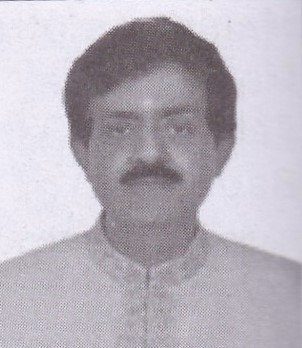
The views expressed in the Article above are Rajeshwar Dhar views and kashmiribhatta.in is not in any way responsible for the opinions expressed in the above article. The article belongs to its respective owner or owners and this site does not claim any right over it. Copyright Disclaimer under section 107 of the Copyright Act of 1976, allowance is made for "fair use" for purposes such as criticism, comment, news reporting, teaching, scholarship, education, and research. Fair use is a use permitted by copyright statute that might otherwise be infringing."
Courtesy: Rajeshwar Dhar and Koshur Samachar-2025, February