


- From Tin Roofs to Toppers Rise of New India

From Tin Roofs to Toppers Rise of New India
A quiet revolution is unfolding across India one that Make occasional Headings headlines India but rarely receives the thoughtful analysis it deserves from scholars and commentates. This transformation first became visible in Bollywood, once regarded as an insular insfustry resistant to outsiders. Over time, it extended into Indian sports particularly cricket, which cultural theorist Ashes Mandy memorably described as "an Indian game accidentally discovered by the British" In both these areas, talent often ries above background. The success of actors, directors, and others involved in the making of the movie and sports persons from modest beginnings shows that these spaces offer fair chances where people can move forward based on ability and hard work Today, Bollywood is changing Actors like Nawaz Uddin Siddiqui, Pankaj Tripathi, and Manoj Vajpayee bring to the screen the voices and experiences of India's small towns and rural areas. Directors like Anubhava Sinha and Meera GayMan are telling stories rooted in caste, class, and region, moving away from the polished surface of earlier tilms. A similar change is happening in sports. Cricket, once considered a spert for the urban elite, started reflecting this new India with the arrival of Kapil Dev and his amazing feat of leading the team to win the World Cup Championship in 1983. Now the team sports stars like Mohammed Saroj, whose father was an auto-rickshaw driver, Natarajan, who once delivered newspapers and Hardhik Pandya, tromp a small-town family in Baroda. In wrestling weightlifting, and athletics too, champions like Mirabel Chana and Meera Chopra come from simple backgrounds, driven by talent and 24 determination to hotelmen from Haryana belong to not so affluent background as is the case with boxers from Manipur This change brings visibility and respect to people who were earlier left out of the spotligła It also offers new chances to those who never had them before. The growing fecus on talent in Bollywood and sports reflects a larger shift in Lidia, where people from less privileged backgrounds are making their mark in many areas. As skills and effort begin to matter more than privilege, India is slowly becoming a place schere success has a broader base In a country shaped by caste, language differences, and rural-urban divides, the most important change today is happening quietly not in big offices or elite groups, but in villages in Bichat, tribal areas in Kerala, and working-class neighbourhoods in Maharashtra. This change driven by the dreams of ordinary people, is not just personal. It is part of a bigger, more lasting shift. Take the story of Sreedhanya Suresh, boom into a tribal family, grew up in a house with a tin roof in Wayanad, Kerala. Her parents sold forest products and yet she cracked the Indian Administrative Service. Kalpa na Kamari, a farmer's daughter from Bihar, topped the NEET exam. Anju Devi of Rajasthan studied by lantem light in a Hindi-medium school and passed the same exam. Prathama’s juju, whose father is a vegetable vendor, not only cleared JEE but also became a known astrophotography These are not rare cases. They reflect a bigger shift. Many successful students today have walked long distances to school, studied in cattle sheds, and prepared using free online tutorials and public libraries. Their achievements are challenging old ideas about merit and privilege This surge from the margins signals a rebalancing of Indian society: Sociologist Andre grid of social divisions, where privilege passed Beseille once described India as having an tron from one generation to the next. That grid is now being slowly loosened, First-generation learners, students from government schools, and candidates from SC/ STOBC groups are now entering spaces once dominated by urban, English-speaking elites and education to business, the arts, and politics This is visible across sectors-from public services policies, better leadership, and a more inclusive It is not just symbolic. It is helping shape better dea of India Many forces have contributed to this change Economic reforms in the 1990s opened up new paths for growth and jobs. Welfare measures like midday meals (first introduced by MGR in Tamil Nadu in early 1980s), the Sarva Shiksha Abhiyan, and the Right to Education Act helped bring children into schools. Reservation policies gave a boost to many who had been left behind for generations The spread of smartphones and the internet made good quality leaming resources available Jharkhand can use the same study materials for even in remote areas. Today, a teenager in rural JEE as a student in a metro city. Seeing someone others to aim high. Platforms like You Tube and Instagram have allowed young people from from your own village or caste succeed inspires rural India to share their ideas, talents, and voices without going through traditional gatekeepers In this way, India is becoming more equal world is becoming "flat-and in many ways, this Journalist Thomas Friedman once wrote that the is true for India as well. This shift is also changing how policies are made. When doctors, IAS officers, or engineers come from difficult backgrounds, they bring with them an understanding of what poor families actually need. Their insights make governance more thoughtful and practical. They create solutions based on real experience, not just theory This is in line with what Nobel laureates Abhijit Banerjee and Esther Duflo argue that policies should be based on the real lives of people, not assumptions. This stands in contrast to policies made mostly by elites, who are often removed from the ground reality. Such policies can miss important details. They might be too focused on technology while ignoring who can actually use it. They may seem confusing to rural or non- English-speaking users. They often look good on paper but don't work well in practice. Wont of all, they rarely involve the people they aim to help. This leads to poor outcomes, mistrust, and missed opportunities. On the other hand, some of India's most effective policies have come from the ground up. The Midday Meal Scheme gained support through legal action and social campaigns. The Ujjwala Yovanna was shaped by understanding the hard work of rural women. Jan Dahan Yojanaaddressed the banking gap in rural areas. Domestic worker rights have advanced thanks to organisations like SEWA. Books and studies have explored this growing sluft. They raise an important question: Why does inequality continue even when the economy grows? All signs point to the same conclusion: India's future lies not only in its cities, but also in its small towns and villages. The rise of people from less-privileged backgrounds is not a side story-it is central to India's progress in the 21st century. As Dr. B.R. Ambedkar once said, political democracy must rest on social democracy. And that social democracy is being built now-in schools, coaching centres, smail cinemas, and local elections People who were once excluded are now helping shape the Indian republic. They are tot just getting benefits-they are helping make decisions. This is not only about fairness. It's also about tapping into India's full potential. The next big innovator or policymaker may come from a weaver's family in Gaya as easily as from a city office in Gurugram. The real challenge now is to support this inclusion-through better school, help for students under stress, local language learning. media support for regional heroes, and a government system that listens to grassroots voices. India is no longer being defined by its elites it is being reimagined by its underdogs. Those who come from disadvantaged backgrounds carry a deeper hunger to succeed-a hunger sharpened by struggle and absence, unlike those who often grow accustomed to comfort and complacency In their rise lies not just the hope of a more equal nation, but the most authentic promise of Indian democracy-one that draws its strength from the lived realities of Bharat, not the filtered narratives of mediated India.
DISCLAIMER:
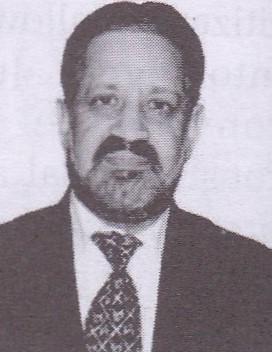
The views expressed in the Article above are Ashok Ogra views and kashmiribhatta.in is not in any way responsible for the opinions expressed in the above article. The article belongs to its respective owner or owners and this site does not claim any right over it. Copyright Disclaimer under section 107 of the Copyright Act of 1976, allowance is made for "fair use" for purposes such as criticism, comment, news reporting, teaching, scholarship, education, and research. Fair use is a use permitted by copyright statute that might otherwise be infringing."
Courtesy: Ashok Ogra and Koshur Samachar, 2025, July